
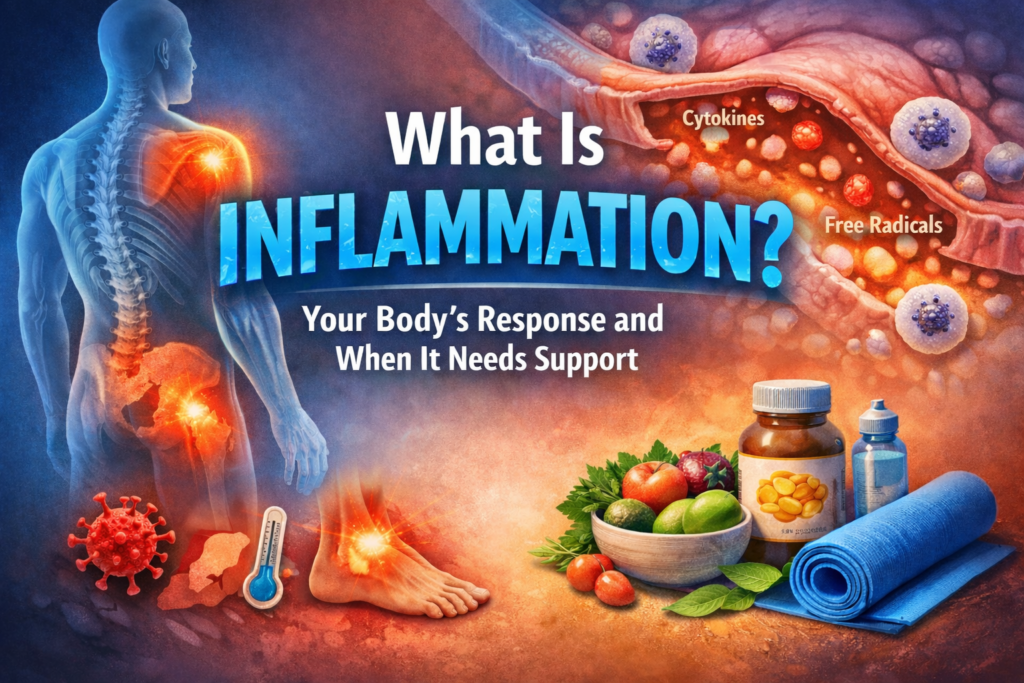
Inflammation is your body's first line of defense. It is a natural, necessary biological process that signals healing has begun. However, not all inflammation is the same. Depending on its type, duration, and cause, it can either support your recovery or quietly work against it. Understanding the difference is the first step toward healing more completely and more comfortably.
Short-Term, Protective
Blood vessels dilate, fluid accumulates, and immune cells rush to the affected area to begin repair.
Expected Healing
Trauma from surgery triggers an intentional inflammatory cascade specifically designed to repair tissue.
Long-Lasting & Problematic
When acute inflammation doesn't resolve, the lymphatic system becomes overwhelmed and struggles to keep up.
Your Lymphatic System
The body's drainage network and what happens when it's disrupted
| Component | Function | When Disrupted |
|---|---|---|
| Lymph Vessels | Transport fluid through one-way valves toward lymph nodes | Fluid backs up, causing swelling and tissue congestion |
| Lymph Nodes | Filter lymph fluid, remove bacteria and debris, activate immune response | Can become overwhelmed, less effective at fighting infection |
| Lymph Fluid | Carries waste products, excess protein, and immune cells out of tissues | Accumulates in tissues (edema), causing heaviness and hardening |
Why Clinically Guided MLD Is Different
The difference between wellness massage and clinical MLD is evidence-based outcomes

Advanced Anatomical Knowledge
Deep understanding of lymph vessel pathways, surgical anatomy, and post-operative changes.
 Precise technique that works with your body's natural flow
Evidence-Based Protocols
Treatment sequences specific to surgery type and healing phase.
Intervention timed to your healing cascade for maximum benefit
Clinical Assessment Skills
Ability to identify complications like infection, seroma, or lymphatic damage.
Early detection before issues become serious problems
Collaborative Care
Direct communication with your surgical team for integrated recovery support.
Care that supports your surgeon's work and your overall healingIndividualized Approach
Treatment adapted to your unique response and personal healing timeline.
Care that evolves with you, not one-size-fits-all
Ongoing Monitoring
Continuous reassessment of tissue response, fluid levels, and healing progress throughout your recovery.
Adjustments made in real time to optimize your outcomesHow Manual Lymphatic Drainage Works
Not about force — it's about precision
