

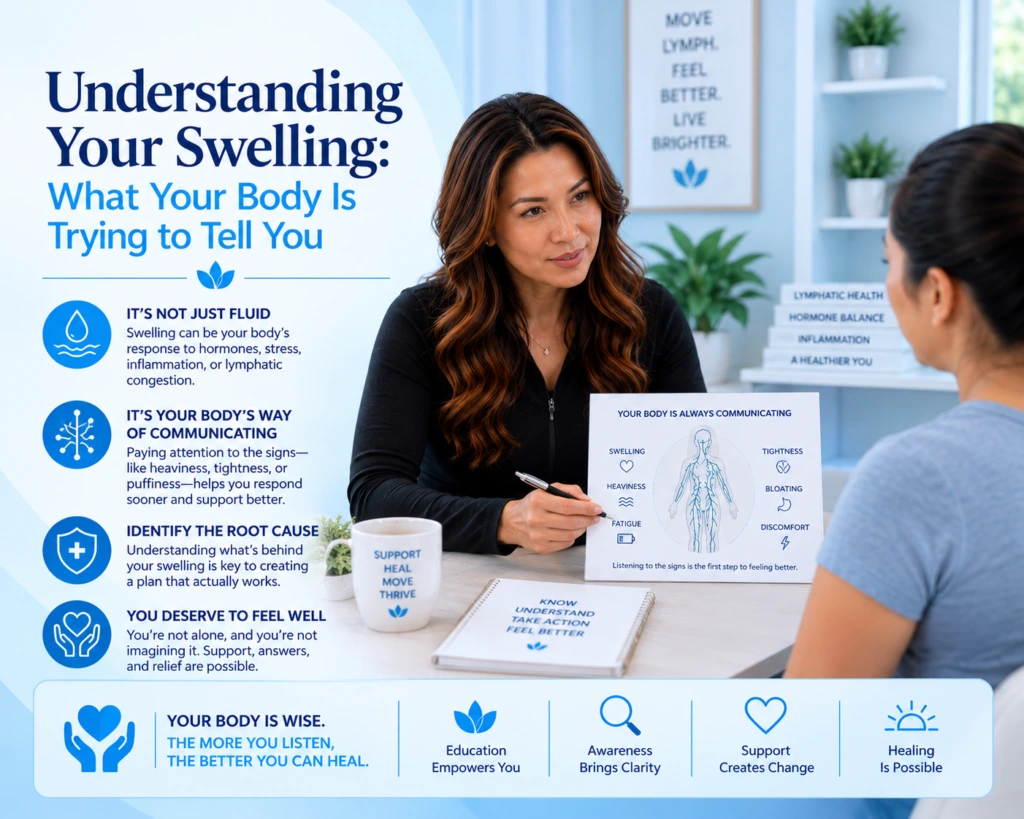
Let's Talk About Swelling
If you're here, you're probably dealing with swelling, maybe in your legs, arms, abdomen, or another part of your body. You might be recovering from surgery, or you've noticed chronic swelling that doesn't seem to go away no matter what you do.
Here's the truth: Swelling is your body's alarm system. It's telling you that something needs attention. Whether it's temporary inflammation from surgery or a chronic condition affecting your lymphatic system, swelling is not just a cosmetic issue, it's a signal that your body needs help moving fluid and waste out of your tissues.
Think of your lymphatic system as your body's drainage network. When this system is overwhelmed, damaged, or not functioning properly, fluid accumulates, causing swelling, discomfort, and sometimes more serious complications if left untreated.
Not all swelling is the same. Understanding whether your swelling is acute (temporary, related to a specific event) or chronic (ongoing, disease-related) is the first step to getting the right treatment.
5 Common Reasons for Swelling
1. Cosmetic Surgery Recovery
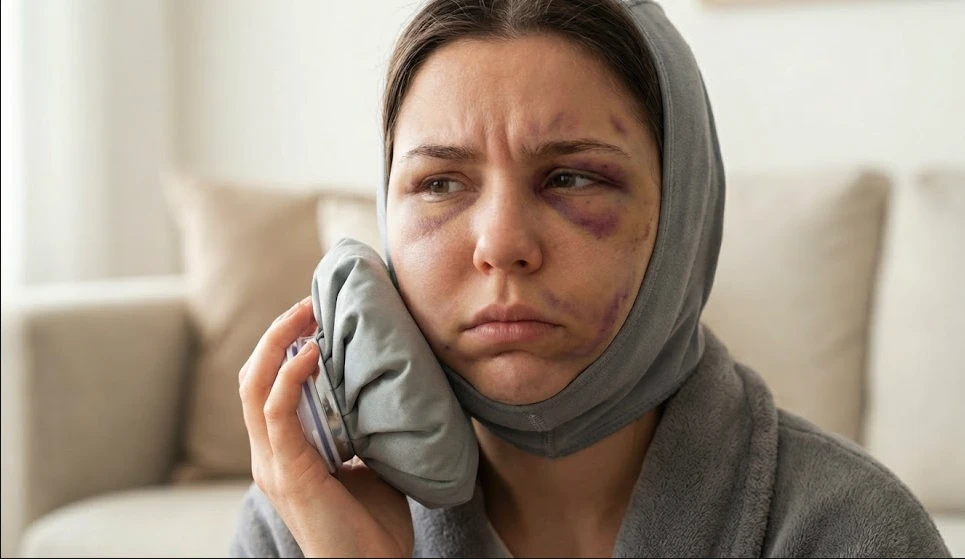
After procedures like liposuction, Brazilian Butt Lifts (BBL), tummy tucks, or body contouring, swelling is not just expected, it's inevitable. Your body has experienced surgical trauma, and swelling is part of the healing response.
What to Expect:
- Significant swelling in the first 2 weeks
- Gradual reduction over 3-6 months
- Some swelling can persist up to a year
- Uneven or lumpy areas as fluid redistributes
- Tightness and discomfort in treated areas
Why clinical care matters: Prolonged or poorly managed swelling can lead to fibrosis (scar tissue buildup), uneven results, and extended recovery times. Clinical lymphatic drainage with a certified therapist helps your body clear fluid efficiently and can dramatically improve your final results.
2. Breast Reconstruction Surgery

Whether you've had implant-based reconstruction, DIEP flap surgery, or other reconstruction after mastectomy, swelling is a normal part of your healing journey. However, breast surgery patients face unique challenges, including the risk of developing secondary lymphedema if lymph nodes were removed.
What to Watch For:
- Chest wall and breast swelling
- Swelling in the arm on the surgical side
- Feelings of heaviness or tightness
- Limited range of motion in shoulder
- Fluid accumulation (seroma) at surgical sites
Critical considerations: If you've had lymph nodes removed, you're at lifelong risk for lymphedema in your arm. Early intervention with a Certified Lymphedema Therapist can reduce this risk and ensure your reconstruction heals optimally.
3. Orthopedic Surgery Recovery
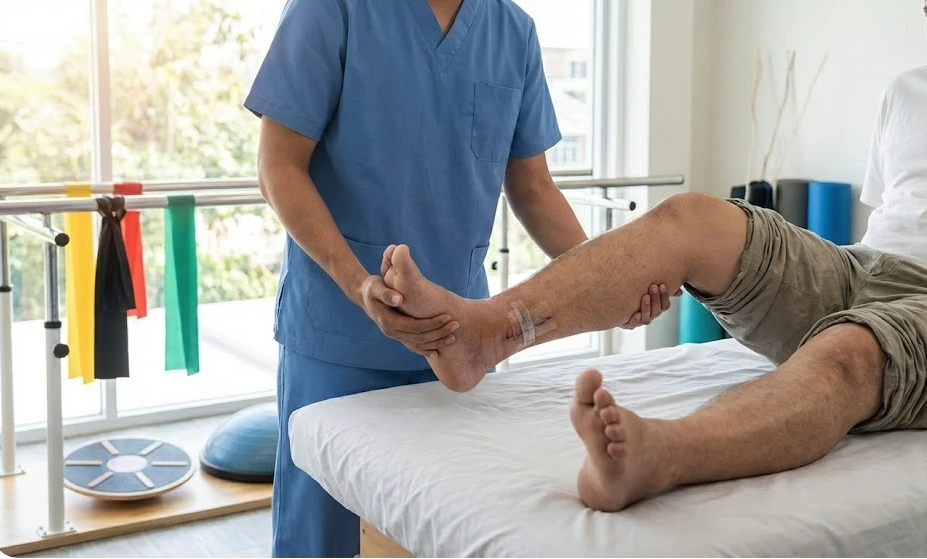
Knee replacements, ankle surgeries, hip replacements, and other orthopedic procedures cause significant tissue trauma. Swelling in joints and limbs after these surgeries can be substantial and may interfere with your physical therapy progress if not properly managed.
Common Post-Op Challenges:
- Joint stiffness due to swelling
- Difficulty with range of motion exercises
- Pain that's worsened by fluid pressure
- Swelling that travels up or down the limb
- Delayed return to normal activities
The DPT advantage: As a Physical Therapist AND Certified Lymphedema Therapist, I can address both your movement recovery and your swelling management in one integrated treatment plan, getting you back to function faster.
4. Lipedema: The Misunderstood Disease
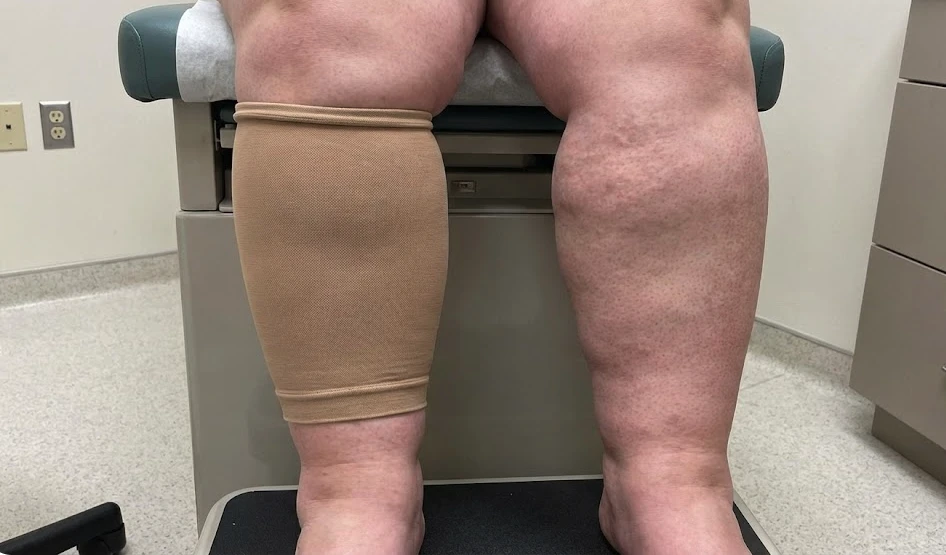
Lipedema is a chronic condition that causes abnormal fat deposits, almost exclusively in women, typically in the legs, thighs, and sometimes arms. It's often misdiagnosed as obesity or lymphedema, but it's neither. Diet and exercise don't fix lipedema because it's not about calories; it's about your lymphatic system and how your body stores fat.
Signs You Might Have Lipedema:
- Symmetrical swelling in legs (both sides affected equally)
- "Column leg" appearance or disproportionate lower body
- Fat doesn't respond to diet or exercise
- Easy bruising and pain in affected areas
- Swelling worsens throughout the day
- Feet are typically NOT affected (unlike lymphedema)
You're not alone: Lipedema affects up to 11% of women, but most doctors don't recognize it. If you've been told to "just lose weight" but nothing works, you deserve answers. Specialized lymphatic care, compression therapy, and lifestyle modifications can significantly improve your quality of life.
5. Lymphedema & Peripheral Vascular Disease
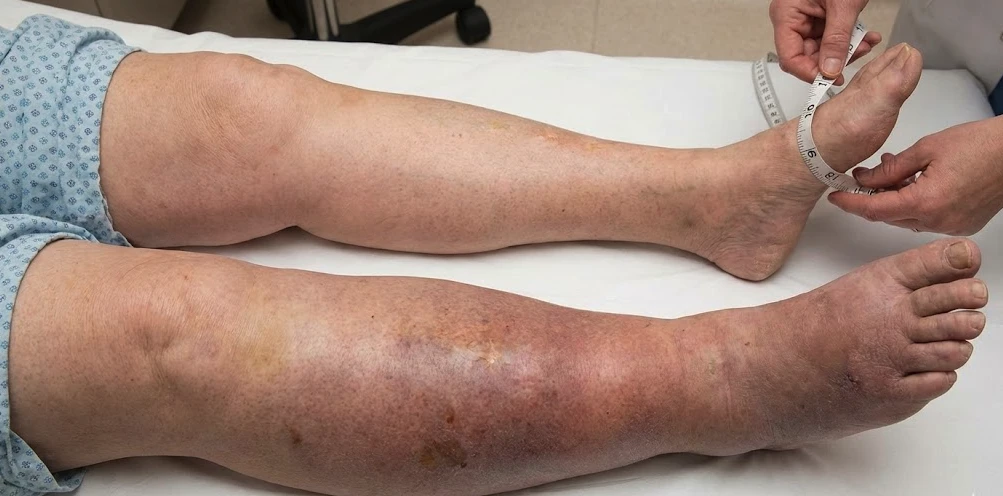
Chronic swelling can stem from lymphatic system dysfunction (lymphedema) or vascular/circulatory problems (peripheral vascular disease, chronic venous insufficiency). These conditions require different approaches, which is why accurate diagnosis is crucial.
Lymphedema Warning Signs:
- Swelling that doesn't go away with elevation
- Skin feels tight or thick (fibrotic changes)
- Recurrent infections (cellulitis)
- Stemmer's sign (can't pinch skin on toes/fingers)
- May follow cancer treatment or surgery
Peripheral Vascular Disease Signs:
- Swelling improves with leg elevation
- Skin discoloration (redness, brown staining)
- Varicose veins or visible vein changes
- Aching, heavy feeling in legs
- Swelling worse at end of day
Why expertise matters: Both conditions are manageable with the right treatment, but they require clinical expertise to diagnose and treat effectively. As one of fewer than 12 DPT+CLT specialists in Loudoun County VA, I can determine what's causing your swelling and create a personalized treatment plan.
Bonus: Lipohypertrophy
Lipohypertrophy is a localized buildup of fatty tissue, often seen in people who use insulin injections repeatedly in the same area. While not as commonly discussed, it can cause lumpy, swollen areas that affect medication absorption and cosmetic appearance.
Key Characteristics:
- Lumpy or raised areas at injection sites
- Tissue feels firm or rubbery
- Can affect blood sugar control if insulin isn't absorbed properly
- Requires injection site rotation to prevent
Treatment approach: Manual lymphatic drainage and scar tissue mobilization can help reduce lipohypertrophy, along with proper injection technique education.
Not Sure What's Causing Your Swelling?
With over 20 years of experience as both a Physical Therapist and Certified Lymphedema Therapist, I can help you understand what's happening in your body, and create a plan to address it.
Whether you're recovering from surgery or managing a chronic condition, you deserve specialized care from someone who understands the complexities of swelling.
Schedule Your Consultation